
Prof. Sanatu Mustapha Alidu, an alumna of the West Africa Centre for Crop Improvement (WACCI), University of Ghana, has led a team of researchers at the University for Development Studies (UDS), Nyankpala Campus, to develop six new climate-smart, drought-tolerant cowpea varieties. This marks the first crop varieties ever released by UDS since its establishment over 30 years.
These varieties have received conditional approval from the National Variety Release and Registration Committee (NVRRC) and are awaiting final approval from the National Seed Council before full release.
The maturity periods of the varieties range from 50–55 days, 55–60 days, 70–75 days and 75–85 days. They also contain essential nutrients such as calcium, magnesium, zinc, iron, fat, protein and carbohydrates.
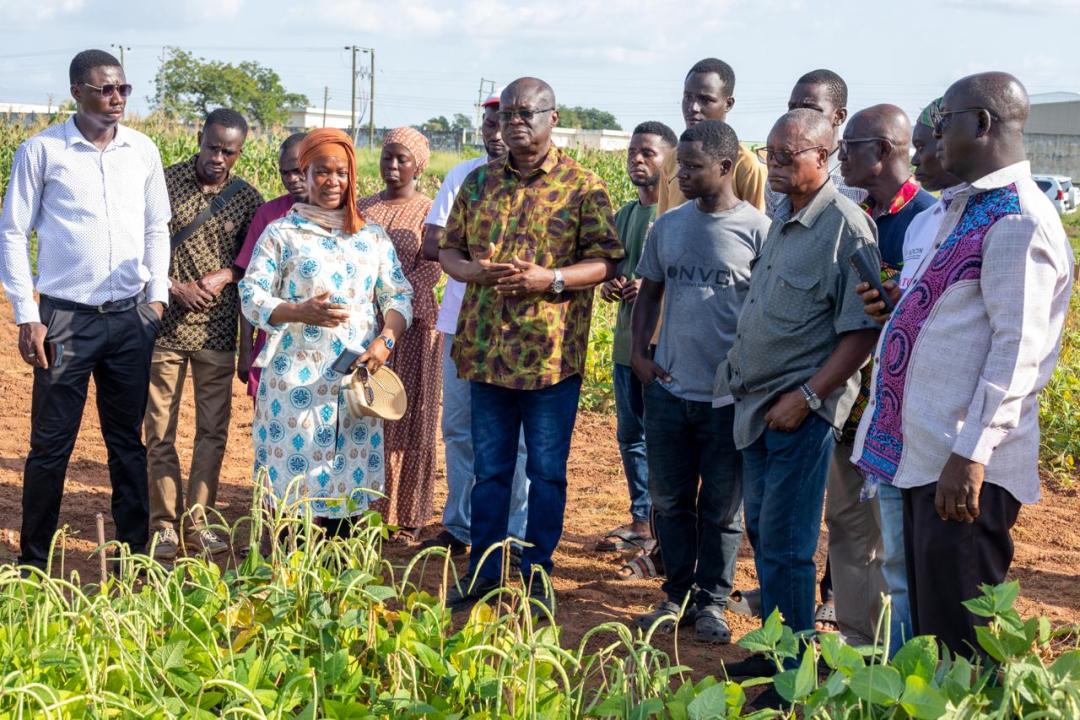
Variety release and registration field visit
All six varieties demonstrated strong adaptability to sole cropping, intercropping, and double-cropping systems, with some suitable for mechanical harvesting, making them ideal for modern production systems.
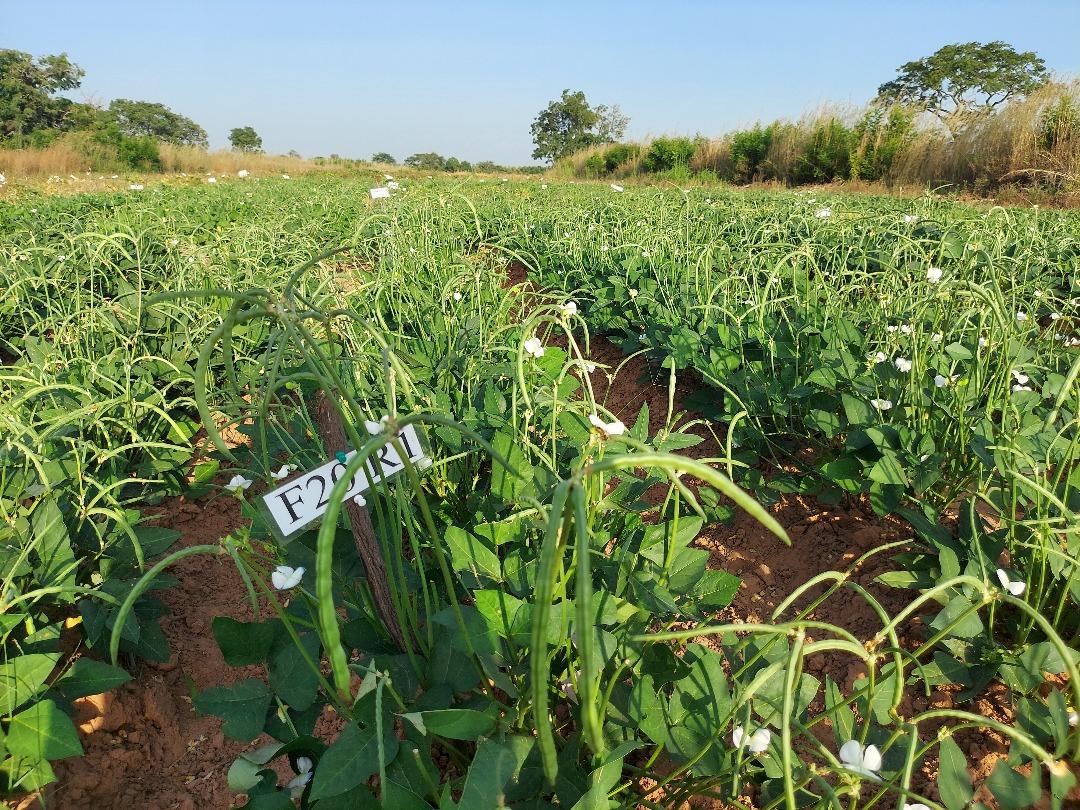
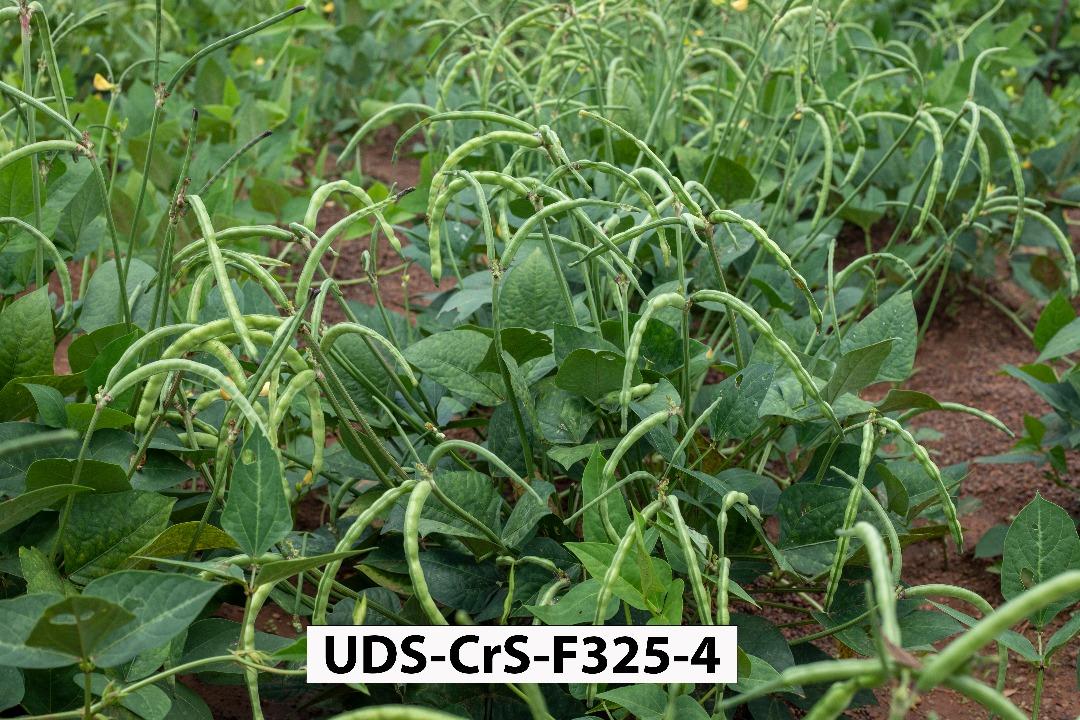
Some varieties
The development of these varieties was a collaborative effort involving UDS, the Council for Scientific and Industrial Research–Savanna Agricultural Research Institute (CSIR–SARI), and the Japan International Research Center for Agricultural Sciences (JIRCAS–TERRA).
According to Prof. Alidu, the release of these improved cowpea lines represents a major milestone in boosting food security, increasing farmer income, and strengthening climate resilience in northern Ghana and beyond.
Prof. Alidu was a member of WACCI’s PhD in Plant Breeding, Cohort 7, graduating in 2018. Her research focused on “Genetic Analysis of the Relationship between Drought Tolerance and Phenological Plasticity in Cowpea.” She is currently an Associate Professor of Plant Breeding and Genetics at UDS, Nyankpala, Northern Region.
WACCI celebrates Prof. Alidu for leading this landmark achievement, which sets a new benchmark for research innovation at UDS and highlights the impact of its alumni in advancing agriculture.